2026 Top Exterior Door Trim Types What Is Best?

Choosing the right exterior door trim can change how a home feels before anyone steps inside. It frames the entry, protects vulnerable edges, and connects the door with the siding, brick, or stone around it. In 2026, homeowners and builders are considering more than appearance. Moisture resistance, clean installation, energy performance, maintenance, and long-term value all matter.

This guide examines the most practical exterior door trim types, including wood, PVC, composite, fiber cement, and metal options. Each material behaves differently in direct sunlight, heavy rain, freezing temperatures, and humid coastal air. A crisp white PVC casing may suit a modern entry, while stained wood can add warmth to a craftsman-style porch. However, wood demands careful sealing, and even durable materials can fail when water reaches unprotected joints.

Experience from renovation projects shows that small details often decide the result. Uneven walls, exposed fasteners, narrow trim gaps, and poor caulking can make an expensive door look unfinished. The “best” trim is not always the most costly choice. It depends on local weather, architectural style, installation quality, and the homeowner’s maintenance habits.

There is no perfect material.

This article compares current options with practical guidance, realistic limitations, and selection tips from a professional perspective. It also questions popular assumptions, because attractive trim can still perform poorly when installed without proper flashing and drainage. By the end, you should have a clearer way to judge durability, appearance, and value before choosing exterior door trim for your project.

2026 Top Exterior Door Trim Types What Is Best?

Exterior Door Trim Types: Casing, Brickmold, Drip Caps, and Jambs

Exterior Door Trim Types: Casing, Brickmold, Drip Caps, and Jambs

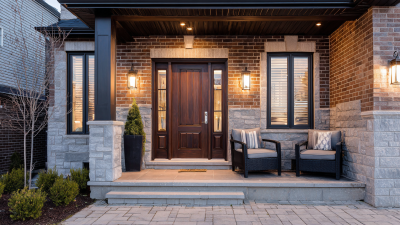
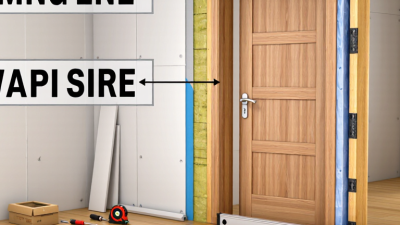
Exterior door trim does more than frame an entrance. It manages water, air, and movement around the opening. Casing covers the interior and exterior gaps between the jamb and wall. Brickmold creates a wider sealing surface against masonry or siding. A drip cap pushes rain away from the head of the door. The jamb supports the door and carries the latch hardware. Each part has a different job.

The U.S. Department of Energy identifies doors as common air-leakage locations in residential envelopes. Its Energy Saver guidance reports that air sealing may reduce heating and cooling costs by roughly 10% to 20%. That figure depends on climate, workmanship, and existing leakage. Trim alone cannot achieve those savings. A continuous seal behind the casing matters more. I have seen attractive trim fail because installers skipped the sill pan or left foam gaps near the hinges.

Material choice also affects durability. PVC and composite trim resist moisture better than untreated wood, while properly coated wood can perform well with regular maintenance. The National Institute of Building Sciences emphasizes integrated flashing and drainage layers around openings. A drip cap should overlap the weather barrier, not merely sit above the casing. Small errors become visible after one wet season. Even experienced installers can miss them. Check the jamb for plumb, confirm the reveal is even, and inspect the lower corners closely.
Measure Efficiency with NFRC 100 U-Factor and NFRC 400 Air Leakage

The best exterior door trim does more than frame an entry. Flat casing, brick mould, and extended jamb trim can influence how the frame meets the wall. However, trim alone cannot prove energy performance. NFRC 100 U-factor testing evaluates heat transfer through the complete door assembly, including the slab, frame, glass, and threshold. A lower U-factor generally indicates better insulation.

Look closely at the published rating. Do not judge a door by appearance alone. A well-insulated slab can still perform poorly when the frame or threshold creates a thermal path. In practical checks, cold air often appears near the lower corners, where weatherstripping meets the sill. Small gaps matter. Sometimes, the trim looks perfect while the installation is weak.

NFRC 400 air leakage testing measures how much air passes through the assembly under pressure. Lower leakage usually means a tighter door and fewer drafts. Proper shimming, continuous sealant, and correctly compressed weatherstripping support that result. Field conditions can differ from laboratory results, especially when walls are uneven. This is where careful measurement becomes essential. A tiny installation error may reduce comfort more than a decorative trim upgrade improves it. Recheck the threshold after adjustment. It is easy to overlook.

2026 Top Exterior Door Trim Types: What Is Best?

Lower values indicate better efficiency. The chart uses representative planning benchmarks for common exterior door trim configurations; trim alone does not determine performance. Compare the complete, installed door assembly using an NFRC 100 U-factor and NFRC 400 air-leakage test result. U-factor is measured in Btu/h·ft²·°F, while air leakage is shown in cfm/ft² at 1.57 psf.

Verify Water Resistance with ASTM E331 and ASTM E2112 Flashing

2026 Top Exterior Door Trim Types: What Is Best?

The best exterior door trim is not chosen by appearance alone. Water resistance begins behind the casing, especially at the sill and side jambs. ASTM E331 measures water penetration under controlled static air pressure. ASTM E2112 provides installation guidance for exterior doors, including flashing, sealant, and drainage paths. These standards work together, but they are not interchangeable. E331 tests performance. E2112 guides field installation.

ENERGY STAR reports that heat gain and loss through windows can represent about 25% to 30% of residential heating and cooling energy use. The U.S. Department of Energy also identifies air leakage as a major source of heating and cooling waste. Poorly flashed door trim can create similar problems. Rain may enter behind decorative boards, wetting sheathing before stains appear indoors. It can also bypass a continuous air seal.

Use trim materials that tolerate repeated wetting, such as properly sealed wood, fiber cement, or durable composite profiles. Still, material choice cannot repair incorrect flashing. Install a sloped sill pan, end dams, and layered jamb flashing. Keep the head flashing integrated with the water-resistive barrier. Seal the trim edges, but avoid blocking designed drainage gaps.

Test carefully.

A hose test is useful, but it does not replace ASTM E331. Field crews should inspect corners, fasteners, and the lower sill after testing. A perfect-looking joint can still fail. ASTM E2112 is guidance, not a guarantee. Local exposure, wall design, and workmanship remain decisive. That detail is easy to underestimate.

Compare Wood, PVC, Composite, Fiber Cement, and Metal Trim

Exterior door trim does more than frame an entrance. It controls water, air, and long-term maintenance. The U.S. Department of Energy reports that air sealing may reduce heating and cooling costs by 5% to 30%. Poorly fitted trim can undermine that benefit.

Wood offers the easiest detailing and a warm, traditional appearance. However, exposed end grain needs primer, paint, and regular inspection. PVC resists rot and insects, making it practical in wet climates. It can expand with temperature changes, so installers must allow movement. Composite trim usually provides better dimensional stability than wood, but its performance varies by formulation. Read the technical sheet, not only the sales description.

Fiber cement handles sunlight, moisture, and fire exposure well when edges are sealed correctly. It is dense, though, and cutting creates fine dust that requires controlled work practices. Metal trim, usually aluminum or galvanized steel, gives sharp lines and strong impact resistance. Dissimilar metals and trapped moisture can still create corrosion problems. The 2023 International Energy Conservation Code emphasizes continuous air control around exterior openings, while ASTM installation standards stress drainage and compatible sealants. My practical preference is composite or PVC for low maintenance, wood for careful restoration, and metal for exposed modern entries. That judgment is not universal. Local rainfall, wall design, and installer skill can change the answer.

Choose the Best 2026 Trim Using NAFS PG Ratings and Climate Exposure

Choosing the best exterior door trim in 2026 starts with climate exposure, not appearance. NAFS Performance Grade ratings evaluate the complete door unit, including air leakage, water resistance, and structural pressure. They do not rate trim alone. This distinction is easy to miss.

For coastal or hurricane-prone areas, select a door assembly with a suitable PG rating for local wind loads. Use corrosion-resistant fasteners and sealed joints around aluminum or composite trim. Wind-driven rain can enter through small gaps. A narrow drip cap above the head trim helps redirect water. In wet climates, PVC and fiber-cement trim resist rot better than untreated wood. However, PVC may expand visibly under strong afternoon sun. Allowance for movement matters.

Cold regions bring different problems. Freeze-thaw cycles can open poorly sealed miters, while heavy snow can stress the lower trim. A durable composite profile with sloped sill detailing can reduce water retention. In high-UV locations, confirm that the finish resists fading and surface brittleness. Wood can still perform well, but it demands regular paint maintenance and careful end-grain sealing.

Check the door’s tested PG rating, installation instructions, and local exposure requirements together. A higher rating is not automatically the right choice. The wall height, opening size, orientation, and nearby roof overhang all affect risk. I have seen attractive trim fail because installers focused on the profile and ignored drainage. That mistake is worth reconsidering.

2026 Top Exterior Door Trim Types: What Is Best? — Choose the Best 2026 Trim Using NAFS PG Ratings and Climate Exposure

Use this guide to match exterior door trim materials with moisture, sun, temperature, salt-air, and wind exposure. NAFS Performance Grade (PG) ratings apply to the complete exterior door assembly—not to the trim alone—so the selected door, frame, hardware, installation method, and surrounding wall system must be tested or specified for the required PG level.

Exterior Door Trim Material Comparison for 2026 Planning
Trim Type Typical Profile and Thickness Moisture Resistance UV and Temperature Performance Recommended Climate Exposure Maintenance Requirement Installation Considerations Best Use Case NAFS PG Compatibility Note
Cellular PVC Trim Commonly supplied in approximately 12.7–19 mm thicknesses with smooth or embossed faces. High
Closed-cell construction does not readily absorb liquid water.
Good resistance to rot and insects; thermal movement can be significant in long, dark-colored pieces. Wet, humid, freeze–thaw, and coastal areas when fasteners and joints are correctly detailed. Low; clean periodically and maintain sealed joints. Paint compatibility must be confirmed for the selected product. Use manufacturer-approved fastener spacing, allow for thermal movement, and seal end cuts and joints. Best overall choice for low-maintenance moisture exposure. Can be used around doors in higher-PG assemblies, but it does not increase the door unit’s PG rating.
Aluminum Trim Commonly formed from thin sheet or extruded sections; thickness varies by profile and application. High
Does not rot or swell from ordinary rain exposure.
Very good dimensional stability; finish color, coating quality, and galvanic corrosion control are important. Heavy rain, strong sun, high-wind regions, and marine environments when a suitable corrosion-resistant finish is used. Low to moderate; inspect coating, sealants, joints, and fasteners for damage or corrosion. Separate dissimilar metals, provide drainage, avoid sharp water traps, and use compatible sealants. Best for modern, high-exposure, and low-maintenance installations. Suitable for use with high-PG door systems when attached without compromising the tested frame, sill, or flashing.
Fiber-Cement Trim Often supplied in approximately 11–16 mm thicknesses; available in boards and limited molded profiles. High
Resists rot and insects, but unsealed cut edges can absorb moisture.
Good resistance to sunlight and temperature changes; rigid material may crack if mishandled or over-fastened. Rainy, humid, high-sun, and fire-prone regions where a durable painted surface is desired. Moderate; repainting depends on coating condition and local exposure. Prime or seal cut edges as directed, maintain clearances, predrill near edges, and follow handling requirements. Best for rigid, painted trim with strong weathering and fire-performance needs. Compatible with a high-PG door assembly only when clearances, attachment, and flashing do not interfere with tested performance.
Engineered Wood Composite Commonly available in approximately 16–19 mm boards and decorative profiles. Medium–High
Improved stability over ordinary wood, but exposed edges and joints still require protection.
Good when factory-primed and properly painted; prolonged wetting or failed coatings can cause edge swelling. Moderate rain and mixed climates with reliable coating maintenance. Moderate; inspect paint, joints, bottom edges, and penetrations regularly. Keep trim off standing water, seal all cuts, maintain drainage gaps, and use corrosion-resistant fasteners. Best when a traditional painted appearance and detailed profiles are priorities. May surround any PG-rated door, but the trim must not bridge drainage paths or alter the tested installation.
Primed Solid Wood Commonly available in approximately 19 mm thickness with many custom widths and profiles. Medium
Performance depends strongly on species, end sealing, paint coverage, and drainage.
Can perform well when fully protected; absorbs and releases moisture, which may produce seasonal movement. Protected porches, moderate climates, and projects where periodic maintenance is acceptable. High relative to synthetic options; inspect annually and maintain paint, caulk, and end-grain protection. Seal all faces and cut ends, keep bottom edges above horizontal surfaces, provide drip details, and avoid water traps. Best for authentic architectural detailing and easy field modification. Not a substitute for a tested high-PG door assembly; movement and failed joints can undermine surrounding water management.
uPVC Trim Usually supplied as hollow or cellular profiles; exact wall thickness and reinforcement vary by system. High
Resists rot and ordinary water exposure.
Good resistance to moisture; expansion, contraction, and color stability should be checked for the local temperature range. Wet and humid climates, especially where minimal painting is preferred. Low; clean surfaces and renew sealants when required. Allow movement, use compatible adhesives and sealants, and provide suitable backing where the profile is hollow. Best for economical, low-maintenance residential trim in wet climates. Can be installed with PG-rated doors when the attachment and expansion details preserve the tested door installation.
Climate Exposure and NAFS PG Selection Guide
Exposure Condition Typical Environmental Stress Suggested Trim Priority Illustrative NAFS PG Starting Point Critical Detailing Requirements Best General Direction
Sheltered or Low-Wind Exposure Limited wind-driven rain, protected entry, and low likelihood of direct splashback. Appearance, repairability, and compatibility with the wall finish. PG 15–25 may be a starting point where permitted by local code and project calculations. Continuous head flashing, sealed side joints, and a sloped or drained sill area. Engineered wood composite or primed wood for traditional detailing; cellular PVC for reduced maintenance.
Moderate Rain and Wind Exposure Regular wind-driven rain, exposed entry, seasonal temperature changes, and occasional freeze–thaw. Low water absorption, stable joints, durable coatings, and reliable drainage. PG 25–40 may be a starting point, subject to the building’s design pressure and code requirements. Pan or sill flashing, end dams, back-sealed trim joints, positive drainage, and compatible fasteners. Cellular PVC, fiber-cement, or aluminum trim are generally more forgiving than unprotected wood.
High-Wind or Hurricane-Prone Exposure High design wind pressure, wind-driven rain, debris risk, and severe pressure cycling. Trim must not weaken the tested door installation or obstruct drainage and anchorage. PG 40–50 or higher may be required; the exact value must come from the project’s calculated design pressure. Use a complete tested door assembly, approved anchorage, continuous flashing, reinforced substrates, and carefully controlled penetrations. Aluminum, cellular PVC, or fiber-cement when installed outside the tested door and flashing details.
Coastal or Salt-Air Exposure Salt deposits, high humidity, UV exposure, wind-driven rain, and accelerated metal corrosion. Corrosion resistance, sealed joints, drainage, and resistance to repeated wetting. PG selection is determined by wind design pressure; coastal location alone does not assign a PG value. Use corrosion-compatible fasteners, isolate dissimilar metals, rinse deposits, and maintain exposed coatings and sealants. Finished aluminum, cellular PVC, or fiber-cement with carefully selected fasteners and sealants.
Cold, Freeze–Thaw Climate Repeated freezing, thawing, snow accumulation, ice, and large seasonal temperature changes. Low water absorption, sealed edges, flexible joint design, and protected sill drainage. PG is based on wind pressure; verify the door system for local wind, water, air, and structural requirements. Maintain clear drainage paths, avoid trapping water behind trim, and allow movement where materials require it. Cellular PVC or fiber-cement with sealed cut edges; engineered wood is suitable when consistently maintained.

Technical note: Under NAFS, the PG value identifies performance of a complete fenestration or door product under specified air, water, structural, and operating tests. PG 15 corresponds to a 15 psf performance pressure, PG 25 to 25 psf, PG 30 to 30 psf, PG 40 to 40 psf, and PG 50 to 50 psf. These values are not direct wind-speed ratings. Final selection should use the project’s calculated design pressure, opening size, local building code, exposure category, and the complete tested installation.

Overall recommendation: For most 2026 exterior door projects, cellular PVC is the balanced low-maintenance option; finished aluminum is preferred for severe wind, sun, and coastal exposure; fiber-cement is a strong choice where rigid painted trim and fire resistance are important; and wood remains appropriate when traditional appearance and ongoing maintenance are acceptable.

Questions? Give Us A Call!