Top Exterior Doors Canada Trends for 2026 What to Know?
The exterior doors Canada market is evolving rapidly, guided by changing consumer preferences and emerging design trends. Experts predict that by 2026, factors like energy efficiency and aesthetic appeal will dominate buyers' decisions. An industry report from the Canadian Home Builders' Association highlights that energy-efficient doors can reduce heating costs by up to 15%. Such data emphasizes the increasing importance of sustainable choices for homeowners.
John Smith, a leading expert in exterior doors Canada, states, “Homeowners are prioritizing energy efficiency without sacrificing style.” His insight resonates with current trends where door designs are merging functionality and aesthetics. Consumers are looking for products that not only enhance curb appeal but also contribute to a sustainable future.
However, challenges exist in this market. Many manufacturers struggle to keep pace with the growing demand for customizable options. This gap can lead to delays and potential dissatisfaction among homeowners. As we delve deeper into the upcoming trends, understanding these complexities will be crucial for making informed decisions in the exterior doors Canada landscape.
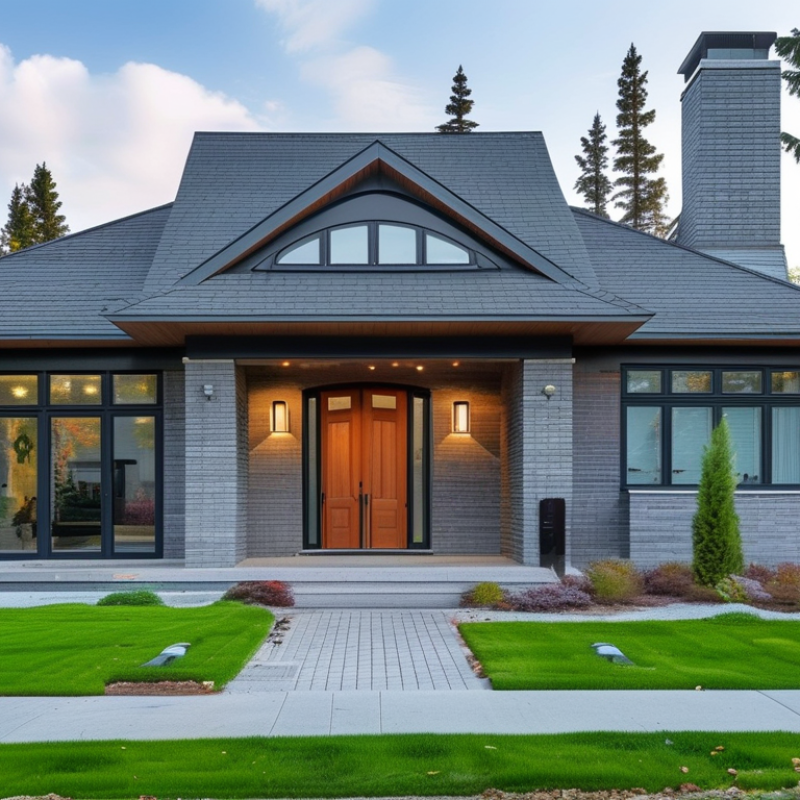
Emerging Trends in Exterior Door Designs for Canadian Homes in 2026
In 2026, Canadian homes are embracing innovative trends in exterior door design. A report by the Canadian Home Builders' Association highlights a growing interest in sustainable materials. Homeowners prioritize eco-friendly options, with 58% indicating a preference for doors made from recycled or renewable sources. This shift not only reduces environmental impact but also provides unique aesthetics.
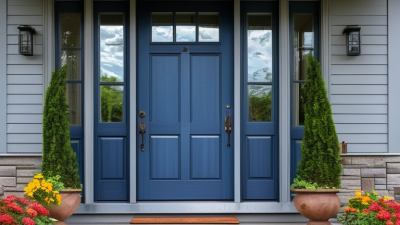
Color trends are evolving too. According to a recent survey, bold hues are gaining traction. Vibrant options like deep green and navy blue are popular among homeowners seeking to make a statement. This contrasts with the previous trend of neutral tones. A fresh coat of paint on an exterior door can increase curb appeal significantly, potentially adding 7% to the home’s value, as noted by real estate insights.
Security features are also at the forefront of exterior door design. With safety concerns on the rise, smart locks and reinforced structures are gaining popularity. Statistics show that homes with advanced security systems report a decrease in break-ins by up to 20%. Such features not only enhance protection but also bring peace of mind for families. The door of a home reflects its owner’s values and priorities, pushing for a balance between beauty and safety.
Materials Revolution: Sustainable Options for Exterior Doors in Canada
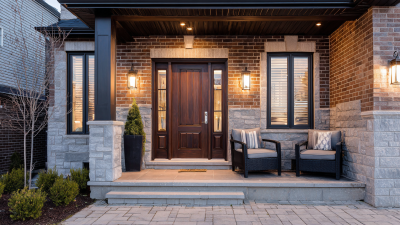
The trend of sustainable materials for exterior doors is gaining momentum in Canada. Homeowners are increasingly seeking options that are environmentally friendly. Natural wood, recycled metals, and composite materials are becoming popular. These materials not only reduce the carbon footprint but also enhance the aesthetic appeal of homes. Using responsibly sourced wood can provide a warm and welcoming entryway.
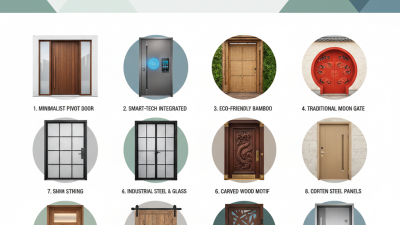
Many Canadians are also exploring innovative alternatives like bamboo. Bamboo is a fast-growing resource that requires less energy to process. It is durable and adds a modern touch to any home. However, not all bamboo products are created equal. Homeowners should ensure they are sourced sustainably to achieve the desired eco-friendly impact.
The journey towards sustainability is ongoing. Many options are still emerging, and choices can be overwhelming. Some products may lack the durability needed for harsh Canadian winters. As consumers, we must research and reflect before making decisions. Selecting the right exterior door is not just about style; it’s about making a responsible choice for the environment and our homes.
Innovative Technology Features in Exterior Doors: 2026 Perspectives
In 2026, the exterior door market in Canada is poised for significant transformation due to innovative technology. Smart locks are becoming a staple. According to the latest industry reports, smart lock sales are projected to increase by over 30% within the next few years. Features such as keyless entry and remote access are appealing to homeowners seeking convenience and security. However, installation and integration challenges often arise, leading many to question their effectiveness.
Energy efficiency is another critical focus. New doors are being designed with advanced insulation materials. Studies indicate that up to 40% of home energy loss occurs through traditional doors. Modern materials promise to reduce heat transfer, contributing to lower energy bills. Still, many consumers remain unaware of maintenance needs for energy-efficient doors. Regular upkeep can enhance performance.
Sustainability also plays a crucial role in this evolving landscape. Manufacturers are turning to eco-friendly materials, reflecting a growing consumer demand. Reports show that nearly 50% of buyers consider environmental impact. Yet, choices can be limited, leading to confusion. Understanding the long-term benefits of these investments is essential for making informed decisions. The future of exterior doors in Canada is bright, though challenges in technology adoption and consumer education persist.
Top Exterior Doors Trends in Canada for 2026
Color and Finish Trends for Exterior Doors in Canada: What’s Hot in 2026
In 2026, exterior door trends in Canada are shifting, with a strong emphasis on color and finish. Homeowners are increasingly leaning towards bold, saturated hues. Deep navy, forest green, and rich burgundy are among the popular choices. These colors not only add a dramatic flair but also enhance curb appeal. Choosing the right finish is essential. Matte and satin finishes are gaining traction, offering a modern, understated elegance.
Textured finishes are creating a unique visual impact. Doors with wood grain patterns or metallic sheens are captivating homeowners. These options blend style with practicality. However, it’s important to note that not every finish will withstand Canada’s harsh climate. Homeowners may find themselves needing to reconsider their choices when faced with wear and tear.
Another trend emerging is the combination of colors and materials. For instance, pairing a classic wooden door with vibrant paint can create a striking contrast. Yet, this approach requires careful planning to ensure harmony. Perennial favorites like white and grey still hold their ground, but they benefit from pops of color in door hardware. As trends evolve, staying informed about these nuances becomes crucial for making lasting design choices.
Security and Energy Efficiency: Key Considerations for Exterior Doors in 2026
In 2026, the focus on security and energy efficiency for exterior doors will be at an all-time high. According to recent industry reports, about 70% of homeowners are prioritizing security features when choosing exterior doors. Enhanced locking systems and materials that resist forced entry are essential. Moreover, with security technology on the rise, smart locks will become more prevalent. These innovations not only improve safety but also offer convenience to homeowners.
Energy efficiency is another critical consideration. The Canadian government aims for a 30% reduction in energy consumption by 2030. This goal is influencing door designs significantly. High-performance fibreglass and metal doors are becoming standard due to their better insulation properties. Energy Star-rated doors are also gaining popularity, providing excellent thermal performance. A study by the Department of Energy highlights that an exterior door can contribute to a 10-15% decrease in energy bills when selected wisely.
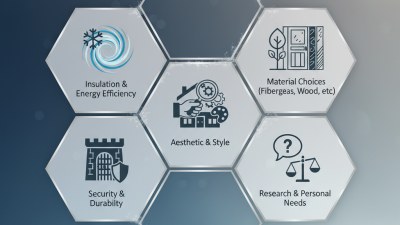
However, it is essential to remember that not all doors are created equal. Some products may not meet energy efficiency claims. Homeowners should research and consider third-party certifications for unbiased information. Only then can they ensure a balance between style, security, and energy savings.

 Questions? Give Us A Call!