Top 10 World Custom Glass Bottle Manufacturers for Your Needs?
In the ever-evolving market of glass packaging, finding a reliable World Custom Glass Bottle Manufacturer is crucial. Expert James R. Thompson, a leading figure in industrial design, once stated, "Quality glass packaging shapes product identity." This highlights the significance of choosing the right manufacturer. The right bottles not only protect the contents but also elevate brand perception.
Custom glass bottles serve various industries, from beverages to cosmetics. Each application demands unique designs and specifications. Therefore, selecting an experienced manufacturer can save time and resources. A good manufacturer understands the need for innovation and sustainability in their production process. Some manufacturers might struggle with consistency, impacting the final product's quality.
Digging into the top players in the industry reveals a broad spectrum of options. Some excel in innovative designs, while others prioritize sustainability. Assessing strengths and weaknesses is essential for making an informed choice. Your brand’s success could hinge on this decision. It’s a path filled with challenges but also opportunities for growth and distinction.
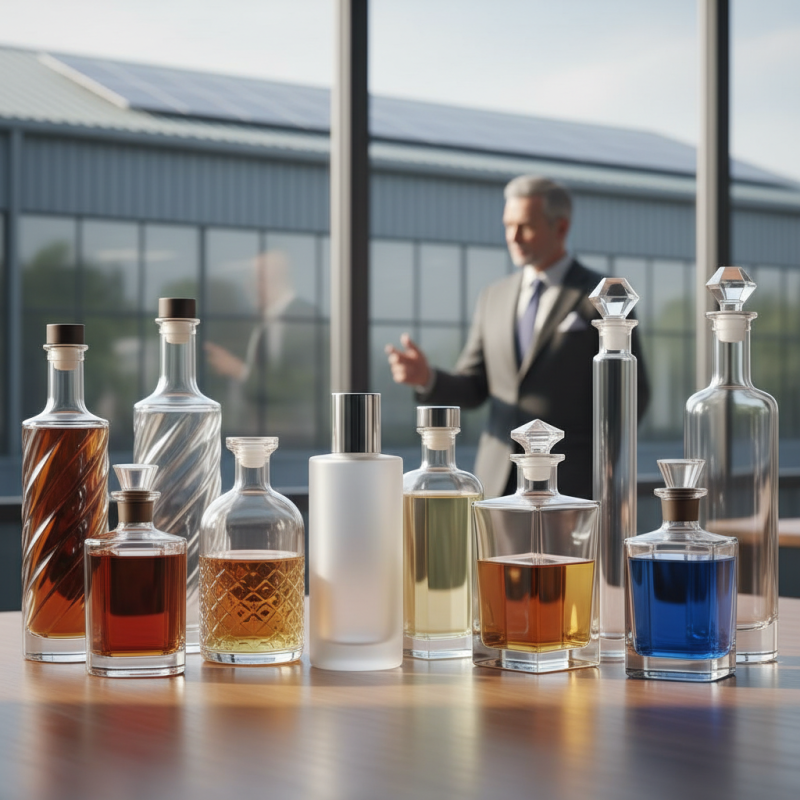
Overview of Custom Glass Bottle Manufacturing Industry
The custom glass bottle manufacturing industry is thriving. According to recent market reports, the global glass packaging market size was valued at over $50 billion in 2022. This figure is projected to grow significantly, driven by increasing demand for sustainable packaging solutions.
One key factor in this growth is the shift towards eco-friendly products. Brands are increasingly using glass, as it is recyclable and non-toxic. Reports show that over 75% of consumers prefer glass packaging for its safety and sustainability. Innovations in design and functionality also enhance the appeal of custom glass bottles.
However, challenges exist. The manufacturing process can be energy-intensive. This raises concerns about environmental impact. Many manufacturers are investing in energy-efficient technologies to mitigate this issue. Despite these efforts, the industry still faces scrutiny regarding its carbon footprint. Balancing demand with sustainability remains a critical focus area.
Top 10 Global Custom Glass Bottle Manufacturers - Production Volume Comparison
Criteria for Selecting a Reliable Glass Bottle Manufacturer
When selecting a reliable glass bottle manufacturer, several key criteria should be considered. Experience in the industry is crucial. Manufacturers with a proven track record are more likely to deliver high-quality products. They should have a robust portfolio showcasing their capabilities. This offers insights into their design and production processes.
Quality assurance is another vital aspect. A manufacturer should implement strict quality control measures. This ensures that each bottle meets industry standards. Certifications from recognized bodies can enhance their credibility. Additionally, good communication is essential. A manufacturer who is responsive to inquiries reflects professionalism and reliability.
Capacity to meet demand is important too. A manufacturer should be able to produce large volumes without compromising quality. Flexibility in production can be beneficial. They should accommodate custom designs while adhering to timelines. Always consider customer reviews and testimonials. These can provide valuable feedback on their service and product reliability.
Leading Custom Glass Bottle Manufacturers Worldwide
The demand for custom glass bottles has surged globally, reflecting a growing trend towards sustainable packaging. According to industry reports, the global glass bottle market is projected to reach over $70 billion by 2026. This growth is driven by the emphasis on eco-friendly materials. Custom glass bottles are now preferred for various sectors, including beverages, cosmetics, and pharmaceuticals. Companies recognize that unique designs enhance brand visibility.
Leading custom glass bottle manufacturers focus on innovation and sustainability. They offer services tailored to client needs, including design, production, and distribution. Reports indicate that 80% of consumers are more likely to buy from brands that use sustainable packaging. However, challenges exist. Some manufacturers struggle with scaling production while maintaining quality. This balance is critical for long-term success.
The landscape of custom glass bottle production requires constant evaluation. Manufacturers must navigate supply chain issues and fluctuations in raw material costs. These factors can impact pricing and delivery times. Despite these hurdles, many companies focus on improving their processes and reducing waste. Continuous improvement remains vital in this competitive sector.
Top 10 World Custom Glass Bottle Manufacturers for Your Needs
| Manufacturer Location | Annual Production Capacity (Units) | Specialty Products | Sustainability Practices | Certifications |
| USA | 5,000,000 | Cosmetic Bottles | Recycled Materials | ISO 14001 |
| China | 10,000,000 | Beverage Bottles | Water-saving techniques | FSC Certification |
| Germany | 3,500,000 | Pharmaceutical Bottles | Energy-efficient production | ISO 9001 |
| Italy | 2,000,000 | Custom Design Bottles | Low Emission Technologies | BRC Certification |
| France | 4,500,000 | Wine Bottles | Renewable energy sourcing | ISO 50001 |
| Spain | 3,800,000 | Olive Oil Bottles | Zero Waste Strategy | ISO 14064 |
| India | 6,000,000 | Spirits Bottles | Recycling initiatives | ISO 22000 |
| Canada | 1,500,000 | Craft Beer Bottles | Biodegradable solutions | SA8000 |
| Brazil | 3,200,000 | Soda Bottles | Carbon Footprint Reduction | ISO 14046 |
| South Africa | 2,500,000 | Craft Wine Bottles | Community Partnerships | ISO 9002 |
Innovative Designs and Customization Options in Glass Bottles
The glass bottle industry has witnessed remarkable innovation in design and customization options. Modern manufacturers offer a variety of shapes, sizes, and colors. Customers have the freedom to create unique bottles that reflect their brand identity. This customization allows businesses to stand out in a crowded market. Personalized designs can attract attention and enhance product visibility.
Moreover, innovative techniques such as embossing and printing take customization a step further. Companies can add intricate patterns or logos directly on the glass surface. These details can make a substantial impact. However, achieving perfect results is not always guaranteed. Sometimes the process can yield unexpected outcomes that prompt necessary adjustments.
Exploring the balance between creativity and functionality is essential. Many manufacturers are pushing boundaries, yet some designs may compromise usability. A beautifully crafted bottle must still meet practical requirements. Understanding this balance is crucial for achieving a successful product. Customers should always consider both aesthetics and functionality in their choices. This approach fosters a sustainable relationship between design and everyday use.
Sustainability Practices in Glass Bottle Production
In today's world, sustainability in glass bottle production is crucial. Many manufacturers are adopting eco-friendly practices. They focus on reducing waste and utilizing renewable resources. This helps in lowering the carbon footprint of glass production. Recycled glass, known as cullet, plays a vital role. Using cullet in production saves energy and raw materials.
Some companies are also experimenting with alternative energy sources. Solar and wind energy are becoming popular in manufacturing plants. Though these practices show promise, challenges remain. Not all manufacturers have access to these technologies. The initial investment can be high, deterring some businesses from making the switch. This inconsistency raises questions about commitment to sustainability across the industry.
Furthermore, transparency in sourcing materials is crucial. Consumers are increasingly demanding accountability. Most manufacturers need to provide detailed information about their processes. Yet, not everyone follows these principles. Some still rely on traditional methods. It is essential for the industry to strive for continuous improvement. Embracing innovation while addressing these challenges will be vital for the future.

 Questions? Give Us A Call!