How to Choose the Right Interior Doors?
Choosing the right interior doors is not a small finishing decision. A door affects privacy, sound, light, circulation, and the feel of a room. Houzz’s 2024 U.S. Houzz & Home Study reported that 54% of surveyed homeowners renovated in 2023. That figure covers home renovations broadly, not door purchases specifically, but it shows how often people are making choices that shape everyday living.
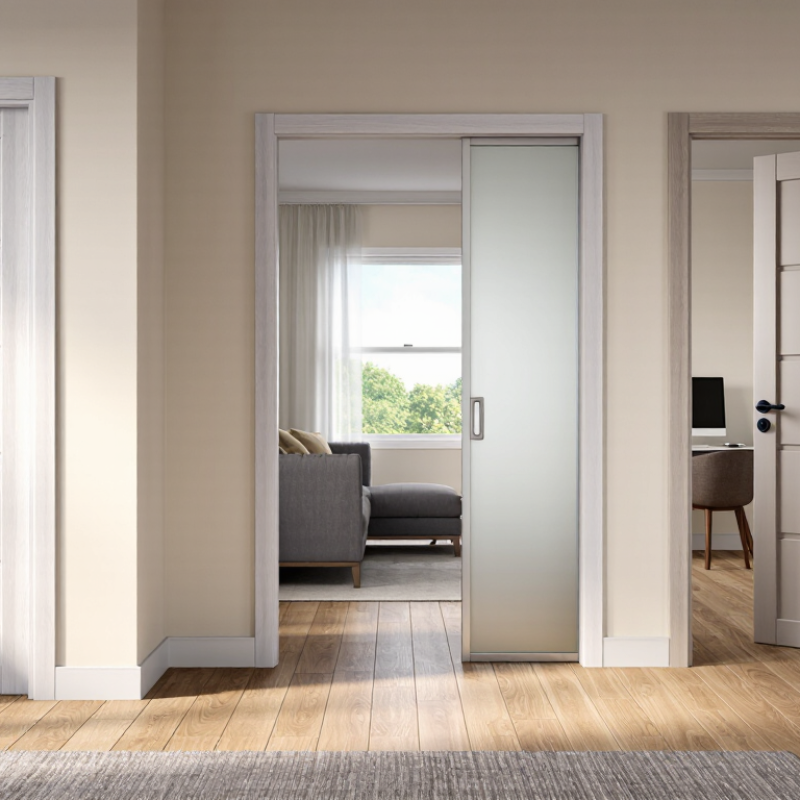
Interior designer Nate Berkus has said, “Your home should tell the story of who you are, and be a collection of what you love.” Interior doors can help tell that story, but appearance is only part of the decision. A solid-core door may suit a bedroom where noise matters; a glazed panel can share daylight between rooms. Pocket doors can save swing space, though their hardware and wall framing need careful planning. Measure the opening, check the floor clearance, and consider who will use the door each day.
Details matter. A handle that looks beautiful may feel awkward in a narrow hallway. A pale finish can brighten a dim room, yet show fingerprints more readily. There is no single best choice. Even careful planning can miss something; the door may sound different once installed, or feel heavier than expected. Use this guide to compare styles, materials, operation, and budget before deciding.
Assess the Room’s Purpose, Layout, and Requirements
Choosing an interior door begins with the room’s daily purpose, not its appearance. A bedroom needs privacy, sound control, and a calm closing action. A bathroom needs moisture resistance and a secure latch. A home office may need better acoustic separation during calls. For a laundry area, clearance and ventilation can matter more than style. Think about real routines. Who uses the room? What happens nearby? I once recommended a solid door for a small study without checking the desk position. The door opened into the chair. That assumption was wrong.
Measure the opening, wall thickness, swing direction, and nearby furniture. Mark the door arc on the floor with painter’s tape. It reveals collisions quickly. In narrow corridors, a pocket or sliding design may improve movement, but it needs a clear wall cavity. Hinged doors remain easier to repair and often seal better. Check switch locations, radiators, shelving, and accessible travel paths. A few centimeters can change daily comfort. Do not trust a floor plan alone. Walls may not be perfectly square.
Then match the door to practical requirements. Solid construction can reduce noise, while glazed sections can share daylight between darker spaces. For children’s rooms, choose hardware that adults can operate easily and inspect regularly. In damp areas, confirm the material’s moisture performance rather than relying on a decorative coating. Fire and accessibility requirements may vary by building type and local rules, so verify them with a qualified professional. Samples help, but real lighting can expose color differences. I still prefer testing a temporary cardboard swing before ordering. It is slower, yet it prevents an expensive mistake.
Choose the Right Door Size, Swing, and Configuration
Choosing an interior door starts with the opening, not the catalogue. Measure the finished height, width, and wall thickness at several points. Floors are rarely perfectly level. That small defect can change the fit.
The 2024 International Residential Code requires a dwelling’s egress door to provide at least 32 inches of clear width and 78 inches of clear height. Interior doors may differ, but this benchmark prevents overly narrow planning. The 2010 ADA Standards also specify a 32-inch minimum clear opening on accessible routes, measured with the door open 90 degrees. A 32-inch slab may not provide 32 inches of clearance after hinges and stops are installed. Check the real opening.
Swing direction affects daily movement. Stand outside the room and note where the hinges should sit. A bathroom door should not block the toilet, vanity, or emergency access. In a narrow hallway, a pocket or sliding configuration can recover valuable floor space. Double doors look generous, but each leaf needs operating clearance. Unequal leaves can be practical when furniture enters occasionally.
I have seen attractive doors installed backward. It happens. Draw the room at full scale, including furniture, trim, and light switches. Then test the swing with a simple cardboard template. That modest step is more reliable than guessing from a floor plan.
How to Choose the Right Interior Doors?
Choose the right door size, swing, and configuration for each room and wall layout.
Door Size
Common nominal interior door widths range from 24 to 36 inches, with 80 inches being a common standard height. Always measure the existing slab, frame, and rough opening.
Swing Direction
Choose an inswing or outswing based on circulation, furniture placement, nearby walls, and whether the handle or hinges interfere with another door.
Configuration
A single hinged door suits most rooms. French or double doors create wider openings, while pocket doors save floor space where a suitable wall cavity is available.
Chart data shows commonly available nominal interior door slab widths in North American residential construction. Actual finished openings vary by frame, trim, floor clearance, and local building requirements.
Match the Design, Finish, and Hardware to the Space
Choosing an interior door starts with the room’s function, not a showroom trend. The 2024 National Association of Home Builders report found that 86% of buyers want a laundry room, while 81% want a pantry. These utility spaces benefit from durable doors with simple profiles and easy-clean finishes. A solid-core door can also reduce sound between a laundry area and nearby living spaces. Check the swing carefully. A beautiful door can still block a cabinet.
Design should support the architecture. Use flat panels for modern rooms, recessed panels for transitional interiors, and glazed sections where borrowed light matters. Finish samples outdoors and under evening lighting. White paint may look clean, but warm oak or muted green can soften a narrow hallway. I once matched every door to the trim, and the result felt strangely flat. That was a useful mistake. Hardware deserves equal attention. Lever handles suit frequent use and are easier to operate than small knobs. The 2010 ADA Standards specify a 32-inch minimum clear opening for accessible doorways and hardware operable without tight grasping or twisting. Local requirements may differ, so verify them with a qualified professional. Satin finishes hide fingerprints better than polished metal, although they can show scratches over time. Practical choices are rarely perfect.
How to Choose the Right Interior Doors? — Match the Design, Finish, and Hardware to the Space
| Space |
Suitable Door Design |
Finish and Glazing |
Hardware |
What to Consider |
| Bedroom |
Solid-core hinged door |
Paint or wood veneer to coordinate with the room’s trim and furniture |
Passage handle; add a privacy lock where needed |
A solid-core door generally reduces sound transmission better than a hollow-core door. Check the swing direction and available floor space. |
| Bathroom |
Hinged door with a moisture-resistant construction |
Durable painted finish; avoid finishes that are not suitable for humid rooms |
Privacy latch with an emergency-release feature |
Allow for ventilation and verify that the door and finish suit the room’s humidity. Keep the door clear of fixtures and towels. |
| Home office |
Solid-core hinged door; glazed panels if borrowed light is important |
Painted or veneered finish; use obscured glazing when visual privacy is needed |
Passage handle or privacy lock |
A solid door can improve acoustic separation, but it will not make a room soundproof. Consider how much daylight should pass through. |
| Living or dining room |
Pair of hinged doors or glazed French-style doors |
Clear glass for maximum light; obscured glass for more visual privacy |
Matching handles; flush bolts for an inactive leaf on a pair |
Measure the full opening and ensure both leaves can swing without hitting furniture or blocking a walkway. |
| Closet |
Bifold, bypass sliding, or hinged door, depending on the opening |
Painted finish or a simple surface that complements nearby doors |
Track and pulls for sliding styles; hinges and a passage handle for hinged styles |
Bifold and sliding doors save swing space, but may provide less access to the full opening at one time. Check track clearance. |
| Laundry or utility room |
Hinged door or louvered design where airflow is required |
Hard-wearing paint that is easy to clean |
Passage handle; privacy hardware is usually unnecessary |
Follow appliance ventilation requirements. Confirm that the door swing does not interfere with machines, storage, or circulation. |
| Small hallway or tight opening |
Pocket door or surface-mounted sliding door |
Finish to match nearby wall trim or interior doors |
Recessed pull for pocket doors; compatible surface-mounted pull for sliding doors |
Pocket doors need a suitable wall cavity free of obstructions such as pipes or wiring. Sliding doors usually offer less sound and light separation than well-fitted hinged doors. |
Review Installation, Safety, and Long-Term Maintenance
How to Choose the Right Interior Doors?
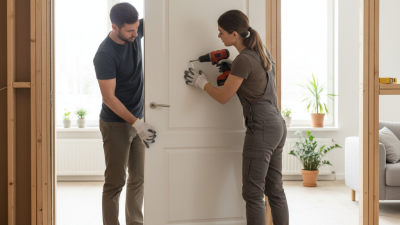
A door can look beautiful and still create daily problems. Review installation, safety, and maintenance before choosing its finish or color. Measure the opening, wall thickness, swing direction, and floor clearance carefully. I once underestimated the clearance above a thick rug. The door scraped every morning. It was a small mistake, but an irritating one. Check whether the frame is square, dry, and firmly supported. Poor alignment can cause sticking, noise, and uneven gaps. For heavy doors, use suitable hinges and secure fixings. A qualified installer should follow local building requirements and the door’s installation instructions.
Safety deserves practical attention. Choose doors that open freely without blocking hallways or emergency routes. Avoid sharp edges, loose handles, and glass panels in areas used by children. Tempered or safety-rated glass can reduce injury risks when breakage occurs. Test the latch after installation. It should close smoothly without force. Bathrooms and laundry areas need materials that tolerate humidity. However, no interior door is completely maintenance-free. Wood may expand during seasonal changes, and painted surfaces can show fingerprints quickly.
Tips: Keep a small gap beneath the door for ventilation, where appropriate. Wipe handles weekly with a soft, slightly damp cloth. Inspect hinges twice a year and tighten loose screws carefully. Never force a swollen door. Find the moisture source first. I sometimes focus too much on appearance, so I now inspect function before finish. That habit saves time and prevents avoidable repairs.




 Questions? Give Us A Call!