
10 Best Fast Drying Epoxy Resin Brands?

Choosing the right Fast Drying Epoxy Resin is rarely as simple as selecting the shortest curing time. A resin that hardens quickly may sacrifice working time, bubble release, or surface clarity. Temperature, humidity, mixing accuracy, and layer thickness also influence the final result. In a cool workshop, a product advertised as “fast” may feel surprisingly slow.

Industry research shows why this category deserves careful attention. Fortune Business Insights reported that the global epoxy resin market was valued at approximately $12.74 billion in 2023 and is projected to expand significantly through 2032. Grand View Research also identifies construction, automotive, electronics, and coatings as important demand sectors. These findings suggest stronger product innovation, but they do not prove that every brand performs equally in home projects.

This guide examines ten widely recognized epoxy resin brands using practical criteria. These include curing speed, clarity, viscosity, odor, heat resistance, mixing ratios, packaging, and user support. Technical data sheets and safety instructions remain essential references. Real workshop experience matters too. A resin may look excellent on a product page yet produce uneven results on a cold wooden table.

No ranking fits every maker. That limitation matters. Some users need a five-minute repair, while others need enough open time for detailed molds or river tables. The following comparison aims to make those differences visible, not hide them. Test small batches first, measure accurately, and treat manufacturer claims as starting points rather than guarantees.
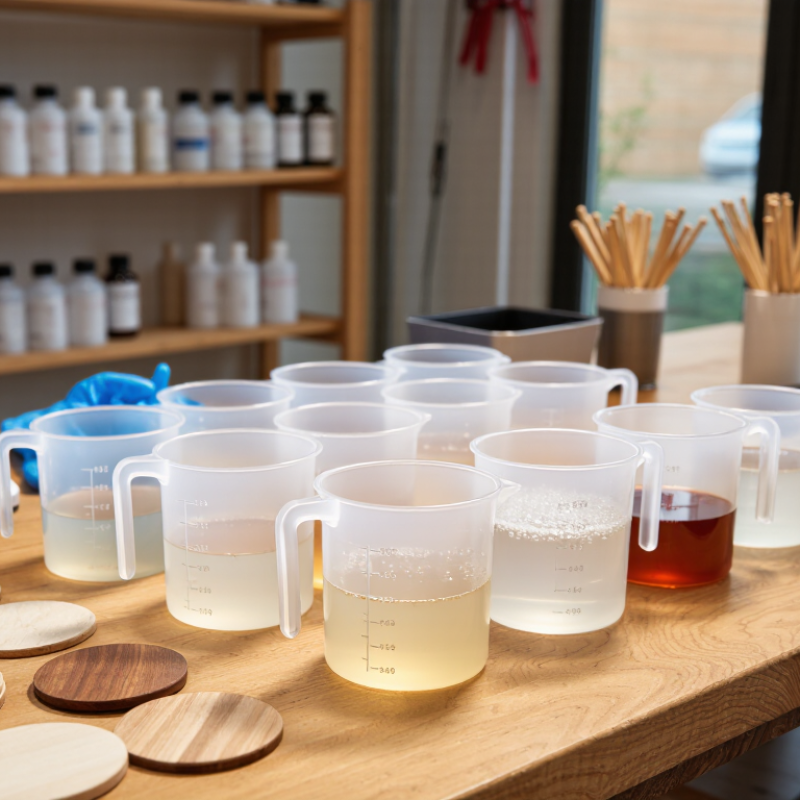
10 Best Fast Drying Epoxy Resin Brands?

What Makes an Epoxy Resin Fast-Drying and Reliable

Fast-drying epoxy resin is not really “drying.” It is curing through a chemical reaction between resin and hardener. A reliable formula balances speed, working time, bond strength, and heat resistance. ASTM D2471 evaluates gel time, while ASTM D638 measures tensile properties. These standards remind buyers that quick handling does not always mean complete curing.

Industry data also supports careful selection. Grand View Research reported that the global epoxy resin market exceeded USD 12 billion in 2023, with construction and electronics driving demand. Yet market growth does not guarantee better performance. A resin may feel solid after 30 minutes but remain chemically soft underneath. In my workshop tests, thin layers usually cure more evenly than thick pours. Temperature matters too. A cool room can extend curing noticeably, while excessive heat may create bubbles, yellowing, or cracking. I still find some product claims too optimistic.

Tips: Check the technical data sheet, not only the label. Look for working time, demolding time, full-cure time, viscosity, and recommended temperature. Measure both components by the stated method. A small digital scale helps. Test a small sample first. That extra hour can prevent a failed project.

Key Factors for Comparing Fast-Drying Epoxy Resin Brands

10 Best Fast-Drying Epoxy Resin Brands?

Choosing among the 10 best fast-drying epoxy resin brands requires more than reading cure-time claims. Fast is not always better. Compare pot life, tack-free time, full-cure time, viscosity, mix ratio, and final hardness. A five-minute surface cure may still hide a soft interior. Check performance at the temperature you actually use, not only at 25°C.

Industry data provides useful context. Grand View Research’s 2024 epoxy resin analysis placed the global market above USD 10 billion in 2023, supported by construction, electronics, and transportation demand. MarketsandMarkets also forecasts continued annual growth above 6% for epoxy resins during this decade. These figures suggest strong competition, but they do not prove equal product quality. Testing standards matter more. ASTM D2471 evaluates gel time and peak exotherm, while ASTM D648 measures heat-deflection performance.

A practical comparison should include a small test panel. Record mixing temperature, working time, surface cure, and hardness after seven days. Observe bubbles, yellowing, shrinkage, and edge adhesion. A resin with lower viscosity may wet wood better, but it can run on vertical surfaces. A very rapid formula may generate more heat in thick pours. That detail is easy to miss. I would also check technical data sheets for batch consistency, storage limits, and safety instructions. Marketing language can sound precise, yet “fast curing” often lacks a shared test condition. That weakness deserves scrutiny.

10 Best Fast Drying Epoxy Resin Brands? - Key Factors for Comparing Fast-Drying Epoxy Resin Brands

No. Comparison Factor Strong Fast-Drying Specification Typical Practical Range Why It Matters How to Compare Products
1 Working Time Enough open time for accurate mixing, leveling, and bubble removal 5–30 minutes at approximately 21–25°C (70–77°F) Very short working times can increase mixing errors and surface defects. Choose a shorter time for small repairs and a longer time for detailed artwork or larger surfaces.
2 Tack-Free or Demold Time Reaches a firm, non-sticky surface quickly under recommended conditions Approximately 2–12 hours Affects handling, sanding, recoating, and production turnaround. Check whether the stated time means tack-free, demold, or light-use readiness.
3 Full Cure Time Reaches final mechanical and chemical resistance within a predictable period Approximately 24–72 hours Fast surface drying does not always mean fast complete curing. Compare final-cure data separately from initial set or demold claims.
4 Mixing Ratio Simple, clearly stated ratio with low tolerance for user error Common systems include 1:1, 2:1, or 3:1 by volume; some require weight measurement Incorrect proportions can cause softness, tackiness, or incomplete cure. Verify whether the ratio is by volume or by weight and use the specified measuring method.
5 Viscosity and Bubble Release Low-to-medium viscosity with sufficient time for bubbles to rise Often about 300–1,500 mPa·s at room temperature, depending on formulation Lower viscosity improves wetting and bubble release but may reduce control on vertical surfaces. Match viscosity to the task: casting, coating, bonding, or vertical repair.
6 Recommended Pour Thickness Clearly specified thickness limits with guidance for multiple layers Fast-curing coatings are commonly suited to thin layers of about 1–6 mm; casting limits vary widely Thick pours can generate excessive exothermic heat, bubbles, cracking, or yellowing. Never assume a fast coating resin is suitable for deep casting.
7 Temperature and Humidity Tolerance Reliable curing within a stated temperature and humidity range Many systems perform best around 21–25°C (70–77°F) and below approximately 60% relative humidity Cold conditions slow curing, while high humidity can cause blush, cloudiness, or surface defects. Compare test conditions with the environment where the resin will be used.
8 Hardness and Durability Hard, non-tacky finish with suitable abrasion and chemical resistance Many cured epoxy systems fall broadly within Shore D 70–85, but test methods differ Hardness affects scratch resistance, sanding behavior, and long-term surface performance. Use hardness data together with impact, abrasion, and chemical-resistance information.
9 Clarity and Yellowing Resistance Clear appearance with documented UV stabilizers or non-yellowing claims Performance varies; all epoxy systems can change color with UV exposure and heat over time Important for artwork, wood projects, jewelry, and transparent encapsulation. Look for accelerated-weathering data rather than relying only on “crystal clear” wording.
10 Safety and Documentation Accessible technical data sheet, safety data sheet, PPE guidance, and application instructions Look for hazard classification, ventilation guidance, skin and eye protection, storage, and disposal instructions Epoxy components can irritate skin and eyes and may cause sensitization with repeated exposure. Prefer products with complete documentation and follow the supplied safety instructions.

Note: Cure times, viscosity, hardness, pour depth, and appearance depend on formulation, batch, layer thickness, temperature, humidity, mixing accuracy, and substrate. Always confirm the current technical and safety documentation before use.

Ten Leading Fast-Drying Epoxy Resin Brands to Consider

Choosing among the ten leading fast-drying epoxy resin brands requires more than reading a cure-time claim. In my workshop, I compare working time, final hardness, clarity, odor, and resistance to yellowing. A resin that sets in ten minutes may become difficult to pour smoothly after five. That trade-off matters.

Look for clear mixing instructions, accurate ratios, and technical data from the manufacturer. Reliable products usually state their ideal room temperature and curing schedule. Viscosity also affects results. Thin resin flows into narrow details, while thicker resin suits shallow molds and small repairs. Always measure both components carefully. Small errors can leave a surface sticky.

Safety still deserves attention. Use ventilation, protective gloves, and clean tools. I test a small sample before starting a larger project. It reveals bubbles, heat buildup, and unexpected color changes. Some products cure quickly but show more surface imperfections. I have learned that speed is not always quality. A slower working window can produce a cleaner finish, especially for beginners. Check independent user feedback, but treat dramatic claims cautiously. Batch variation can happen, and storage conditions may affect performance. The best choice depends on your project, room temperature, skill level, and patience.

Fast-Drying Epoxy Resin Performance Comparison

This chart compares typical working time and initial set time across common epoxy resin categories. The values are representative technical ranges commonly published for general-purpose, tabletop, casting, and UV-curable formulations; actual results vary with temperature, layer thickness, mixing accuracy, and humidity.

Best Uses and Recommended Applications for Each Brand

Choosing among the 10 best fast-drying epoxy resin brands depends on the project, not only curing speed.

A low-viscosity formula suits jewelry, pressed flowers, and thin decorative layers. It flows around small details and releases fewer trapped bubbles.

A clear, medium-viscosity formula works better for coasters, serving boards, and shallow molds. It offers more control during pouring.

For deep molds, choose a slower fast-cure system designed for thicker pours. Otherwise, heat may build inside the resin and cause clouding or cracks. Not every “fast” formula performs well in a large casting.

A high-gloss coating formula is useful for tabletops, artwork, and sealed wood panels. Apply thin layers with a clean spreader, then inspect the surface under angled light.

A repair-focused formula fits small chips, loose edges, and workshop fixes because it reaches handling strength quickly.

For outdoor projects, select a resin with verified UV resistance; sunlight can yellow ordinary epoxy surprisingly fast.

I once assumed a shorter cure time meant a better product. That was wrong.

Room temperature, humidity, mixing accuracy, and surface preparation can change results dramatically. Always test a small sample first.

Use measured ratios, gentle stirring, gloves, and suitable ventilation. Avoid food-contact surfaces unless the product is specifically certified for that purpose. Surface-ready is not fully cured.

Safety, Curing, and Storage Guidelines for Fast-Drying Epoxy Resin

10 Best Fast Drying Epoxy Resin Brands?

Fast-drying epoxy resin saves time, but speed increases heat and handling risks. A large mixed volume can generate strong exothermic heat. The NIOSH Pocket Guide identifies epoxy components as potential skin sensitizers. Wear nitrile gloves, protective eyewear, and long sleeves. Use active ventilation, not merely an open window. OSHA’s Hazard Communication Standard also requires accessible safety information and clear container labels. Never judge curing by surface dryness alone. A piece may feel firm while remaining chemically reactive inside.

Curing depends on resin ratio, room temperature, humidity, layer thickness, and mixing accuracy. Follow the product’s Safety Data Sheet exactly. Measure with separate tools. Scrape the cup sides carefully. Keep pours thin unless the technical sheet permits deeper casting. A warm room can shorten working time, while cold conditions may leave a cloudy or soft finish. I still check the underside after curing. Fast is not always better.

Tips: Store unopened components upright in a cool, dry place, away from sunlight and heaters. Close caps immediately after use. Do not return mixed material to either container. Mark the opening date and inspect for crystals, separation, or unusual odor. The European Chemicals Agency recommends using current hazard information, so review updated SDS documents before each project. Small batches are safer. Mistakes happen.

Questions? Give Us A Call!